

Our Favorite Summer Garden Recipes
July 29, 2021
admin
Recipes for Your Summer Garden
There’s no better way to celebrate summer than cooking from your own garden.
Whether you’re in the mood for a fresh salad, tender grilled veggies, or a side dish with some zesty summer flavor, summer harvests offer something for everyone.
If you’re like many home gardeners, summer is a time of harvest abundance. You might even have more ready-to-harvest crops that you know what to do with. Too many tomatoes? Bushels of peppers? Squash for days?
Never fear—there’s a delicious summer recipe for every one of your hard-earned harvests. Using up all of your yummy garden produce might just take a little creativity.
One of the pleasures of summer is seeing the colorful landscape of your home garden turn into a mouth-watering, nutritious meal. Ready to cook up something summery?

Summer Recipe Tips
Keep It Cool
Salads are so popular in the summer not only because salad crops are abundant, but also because crafting an amazing salad doesn’t require much or any cooking on the stove or in the oven. Of course it depends on your home climate, but cooking with lots of heat just isn’t as necessary or fun in hot temperatures.
One exception: the grill! Grilling, as you know, is the ultimate summer cooking method, and is a fantastic replacement for anything you might otherwise roast in the oven.
Firing up the grill? Immerse yourself in our Summer BBQ Recipes blog for a ton of grill inspiration!

Keep It Simple
Summer crops like peas, tomatoes, peppers, and herbs are so colorful, flavorful, and versatile that they don’t need much fancying-up to make incredible meals.
Summer is meant to be spent outside, under the sun and stars, enjoying fresh air, with your hands in the soil. Keep your summer cooking simple! Make more time to enjoy the season of relaxation and admire your gorgeous garden.
Leave the elaborate three-page recipes for fall and winter, when you’re happy to spend time indoors, roasting a whole bucket of root veggies.
Summer’s Favorite Recipes
Salads
The wonderful thing about homemade salad from your own garden is that there are no rules! Make it your own by tailoring spice, texture, and flavor combinations to your tastes.
Harvest, create, and enjoy!
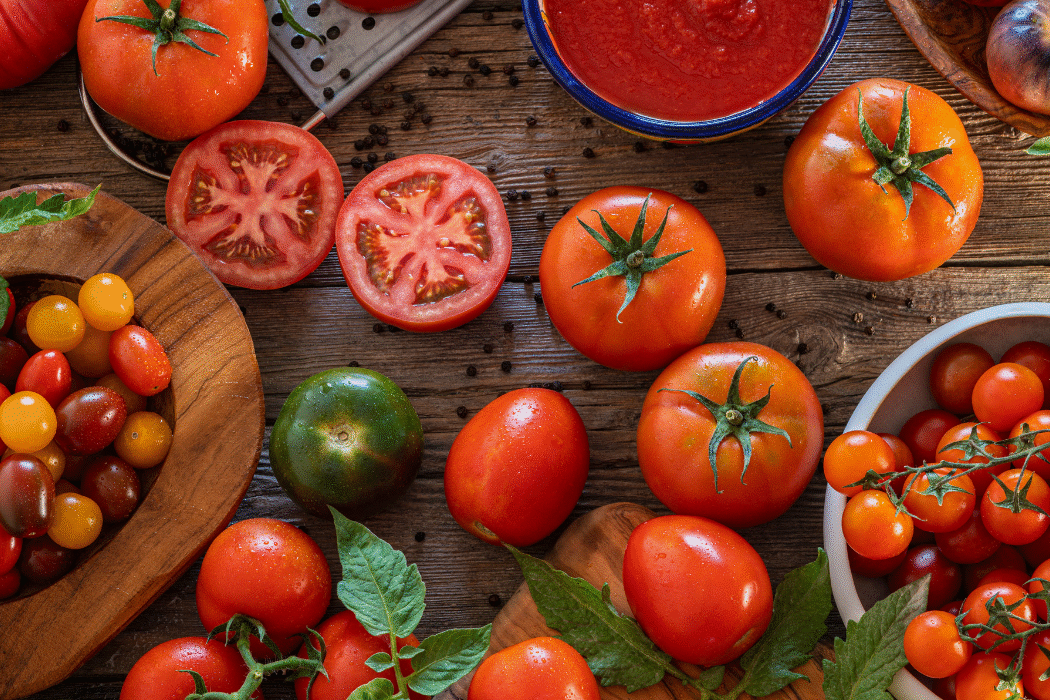
If you have tomatoes growing abundantly in your garden, you’re about to have an amazing summer salad menu! Tomatoes are the classic hot weather menu item that make the picnic basket, barbecue, and dinner table feel like endless summer.
Tomatoes can serve as the base for a salad, like in this gorgeous Caprese Salad recipe from Love and Lemons with multi-colored tomatoes.
Or they can be a bright addition to a lettuce-based salad with other flavorful greens mixed in, like arugula. Try this incredible Strawberry Salad from A Couple Cooks for a unique sweet and summery twist.
This summer Tomato, Cucumber, and Corn Salad from Food52 is the perfect starter for your zesty salad creations. Add almost anything to make it your own: avocado, peppers, even strawberries or stone fruit.
Salsas
Just like salads, salsas are a perfect summer recipe because 1) they don’t require cooking with heat (or just a little bit) and 2) they’re a blank canvas for your many, many tomatoes!
And, just like salad, salsa is incredibly versatile and adaptable.
Start with a few basic ingredients: tomatoes, onions, a bit of lime, and whatever varieties of peppers you like.
Then twist it up! Add tomatillos (or even exchange tomatoes for tomatillos), corn, or fruit. Mash it up to get a smoother texture, or leave your salsa chunky for an easier chip-dipping experience. Drizzle on salads or scoop into wraps. You know the drill.
This quick, perfectly refreshing Pico De Gallo recipe by Ana Frias of Muy Delish will get you started. Then go wild!
Or browse the spicy salsa, tomatillo chile de arbol salsa and salsa verde with no avocado, and more on La Piña en La Cocina.
On The Grill
Our top tip for amazing grilled veggies: keep it simple! The flavor of your fresh garden harvest and the heat and smoke from the grill will add a complex, satisfying flavor and tenderness to your peppers, squash, onions, and all the rest of those “what do I do with all this?!” veggies.
Salt, pepper, and a modest brush of olive oil will do the trick.
 Peppers are one of our favorite things to grill. Grilling works wonders for just about every variety of pepper—from spicy to sweet.
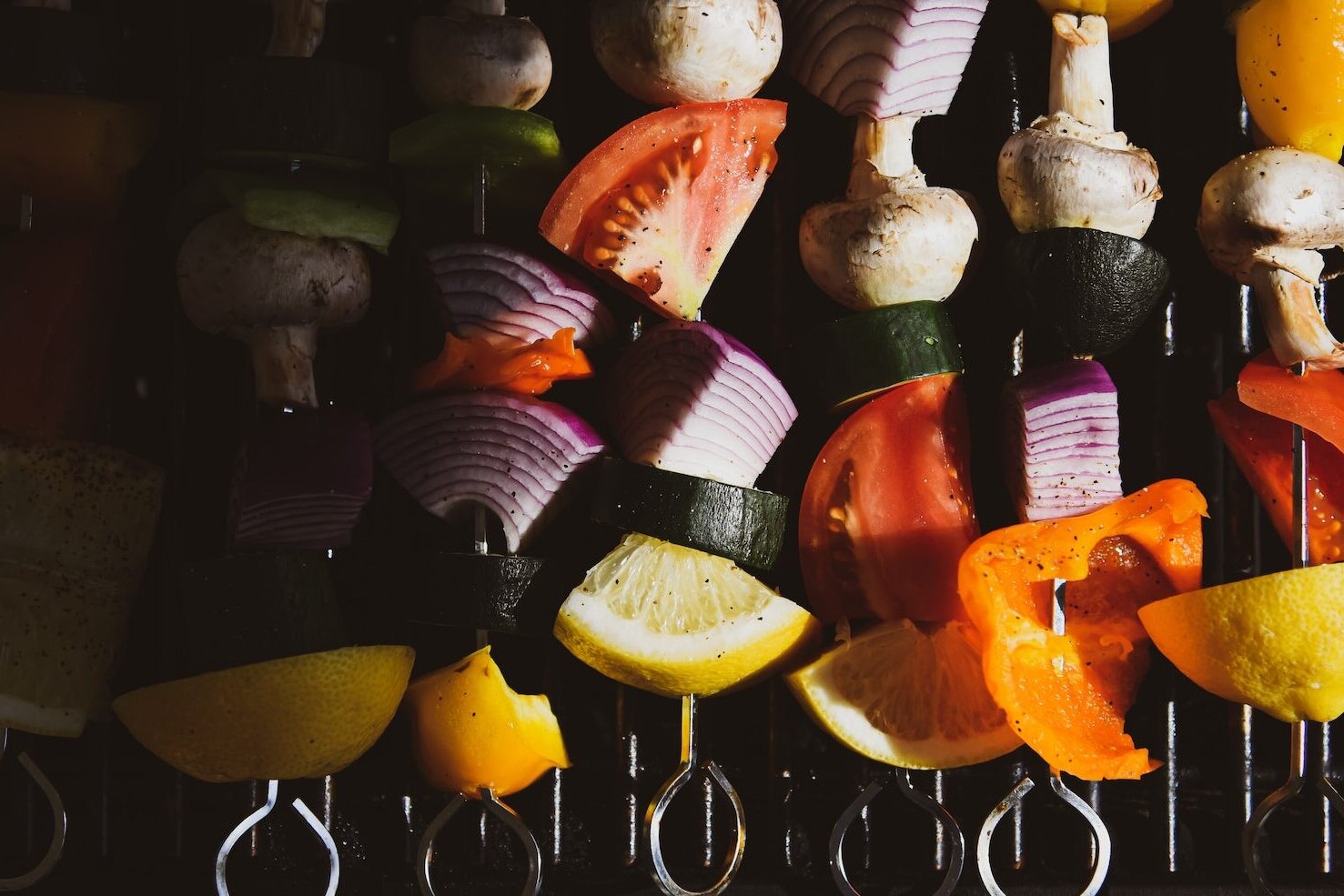
Your grill is calling out for kabobs!
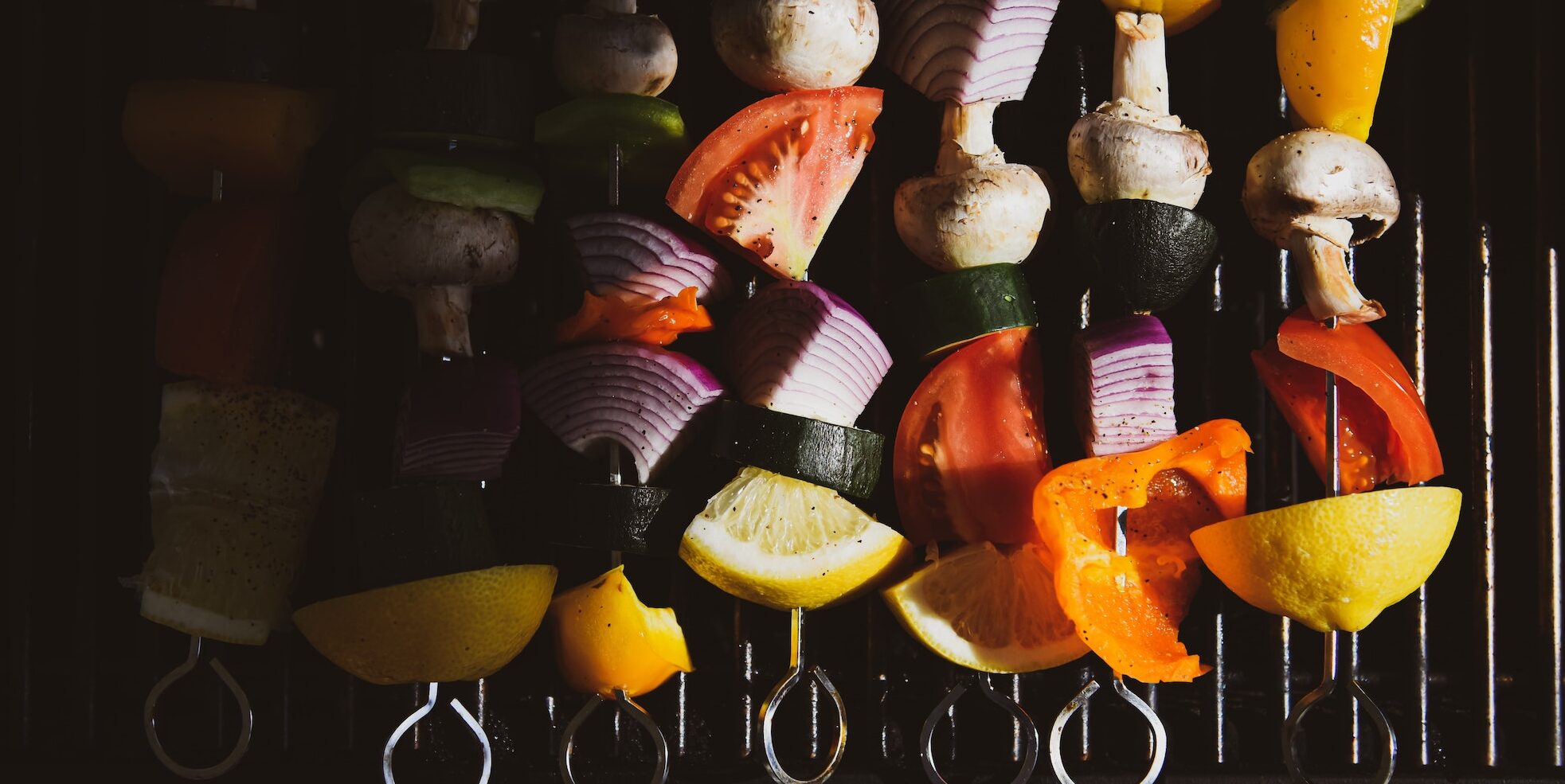
Whether you’re a meat kabob lover or your BBQ is all-vegetarian, you can’t go wrong with festive kabobs. Prep and assembly is quick, grilling skewers is super fun, and the end result is a work of art. They’re also great for parties, because you can whip up a big batch in no time, store assembled kabobs in the fridge, and grill them as needed.
These beautiful Grilled Vegetable Skewers from Natasha’s Kitchen are a great go-to!
Enjoying Your Summer Harvest
You probably guessed already that one of our most favorite things about cooking with a summer harvest is how creative you can get. That’s the pleasure of cooking from homegrown vegetables, herbs, and fruits: the only limit is your imagination. Well…and the season’s end.
Summer veggies are so flavorful and forgiving that you really can’t go wrong when tossing together a salad from the garden or chopping up a fresh salsa.
As you let yourself get creative with your summer harvest recipes, see how it feels to keep adding new, interesting ingredients to your menu. As the menu expands, so might your garden.
Show us your True Organic Plants
#GrowWithTrue

www.trueorganic.earth

June 23rd is National Soil Health Day
June 25, 2023
admin
Why Soil Health Matters and How Your Garden Can Help
Just like water and air, soil is one of the essential ingredients that supports all the lifeforms on the planet.
There’s no better time to brush up on your soil health knowledge because June 23 is National Soil Health Day!
National Soil Health Day was established in 2019 to celebrate the people, farms, and practices that contribute to feeding, replenishing, and enhancing our global soil health.
Created by Acres U.S.A., North America’s longest-standing publisher for all things organic ag and sustainable farming, National Soil Health Day is an initiative with a mission we can whole-heartedly get behind at TRUE.
The mission: Recognizing soil as an essential natural resource, and soils professionals as playing a critical role in managing our Nation’s soil resources. Like-minded farms and farmers, organizations, individuals, and corporations (like us!), are working to bring the National Soil Health Day Resolution to the local level and encourage action to protect our soil.
To us at TRUE, that means education, community involvement, and providing home gardeners (like you!) with everyday ways to support our soil.
You can read and sign the National Soil Health Day pledge here.
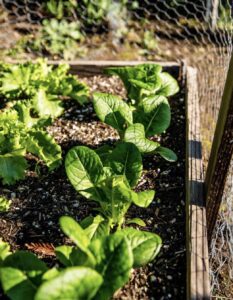
Why does soil health matter?
What’s the first thing that comes to mind when you consider the words “soil health”? Probably daydreams of squirming earthworms, rows of vegetables ready for harvest, and bright green leaves.
It’s true, of course, that growing lush gardens and farms is the role we most associate with soil.
When soil is healthy, plants prosper. When plants are healthy, humans and all other living creatures prosper.
If soil isn’t healthy (with a robust microbiome, good at retaining water, etc.), plants can’t grow as abundantly nor hardily, and they end up less nutrient-dense at harvest—meaning the food on your table isn’t as supportive of your health.
Economic Impact
Think about how big the agricultural industry is—not simply in how much it provides for our families and wellbeing, but its economic weight as well.
According to USDA research, on-farm employment accounted for about 2.6 million jobs in 2019, and America’s farms contributed $136.1 billion to the United States economy that year.
Agriculture is truly at the heart of our nation’s prosperity. That means our soil is, too. When soil is truly healthy, it can support vibrant crops, happily grazing livestock, clean water, and diverse wildlife.
 What is regenerative farming?
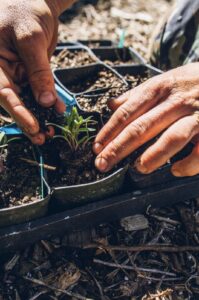 What is regenerative farming?
Regenerative farming looks at the big picture. The goal of regenerative farming isn’t only to grow food, but also to rebuild the health of the soil. In that way, regenerative agriculture isn’t just about maintaining, but improving, rebuilding, restoring.
Healthy soil means healthy crops, healthy people, and a healthy planet. Regenerative growing practices focus on the soil first, as the foundation. They also look at farming methods that can help protect and restore the environment overall.
Sequestering Carbon
Did you know that soil actually holds twice as much carbon as the atmosphere?
Greenhouse gases like carbon dioxide, methane, ozone, and nitrous oxide have been released into the atmosphere over time, and an imbalance of these gases is harmful to our planet and dangerous for us humans. It’s particularly that CO2 that we most urgently need to take care of.
Taking carbon out of the air is one of the big goals of regenerative agriculture.
Farming and gardening have massively powerful potential to remove excess carbon from the atmosphere and put it back in the ground. That’s called carbon sequestration and it’s happening all around us.
You probably remember from school science classes that plants “breathe in” carbon dioxide. Beneath our feet and outside our windows, plants and soil microorganisms are taking in carbon-based “food” and using it to grow and thrive. Those amazing microorganisms “trap” carbon into the soil for years to come.
Enriching Soil
Regenerative agriculture also focuses on giving the soil what it needs to thrive. And carbon is one of those things it needs! Carbon-rich soil supports the network of microorganisms that help plants grow.
The bacteria and fungi in soil need carbon and other macronutrients to survive, and plants live in a symbiotic (mutually beneficial) relationship with those microorganisms.
Nature works in incredible ways, doesn’t it?
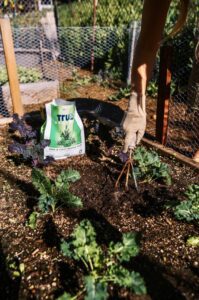
Regenerative Gardening At Home
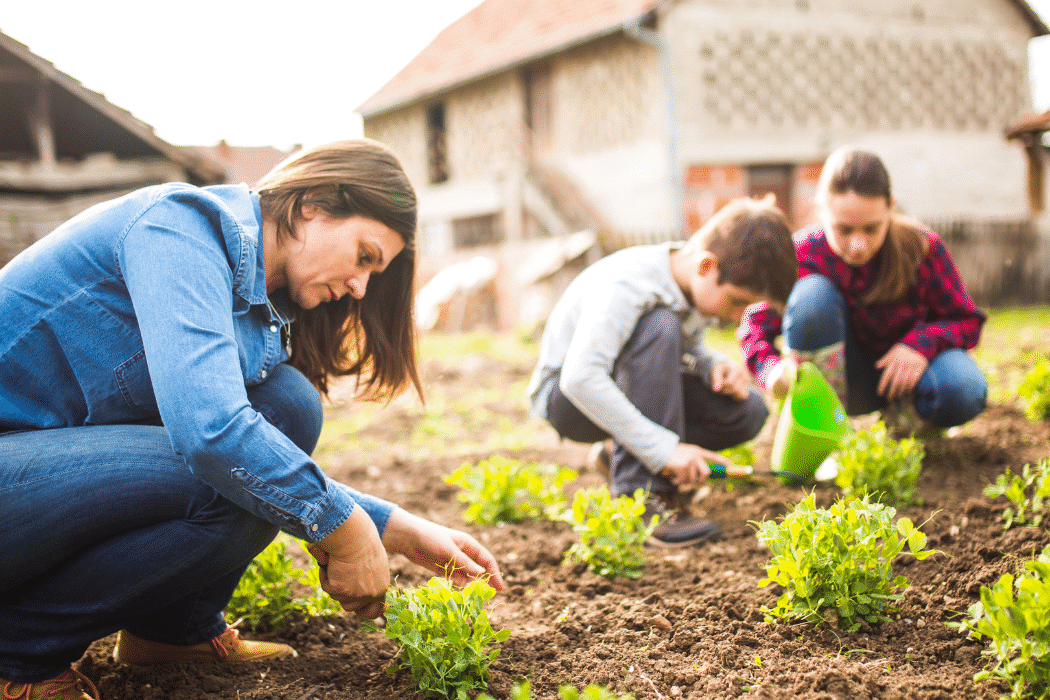
Sequestering carbon and enriching soil are two key aspects of regenerative farming. Why not make them goals in your home garden? We promise it’s simpler than you might think.
Feed Your Garden, Feed Your Soil
One of the easiest ways to get started with soil-regenerating in your home garden is to use organic plant fertilizers and supplements that promote crop health and soil health.
Fertilizers made with organic ingredients from nature, like all of our True Organic products, give a major boost to soil. The nutrients and “food” soil microorganisms need are readily available and help soil rebuild its microbiome, structure, ability to retain water, and a ton of other power-ups.
Using organic fertilizers with ingredients like seabird guano, poultry manure, soybean meal, and other plant-based nutrients give soil the nutrients it needs to replenish itself.
“Our commitment at True is going beyond soil health and rather maintaining soil fitness. Our constant effort is to deliver carbon-rich, nutrient-balanced, and pathogen-free organic fertilizers to feed the soil as a whole ecosystem, rather than the plant itself. Application of True fertilizers, especially when combined with other beneficial management practices, brings life back to the land,” says Ehsan Toosi, PhD, True Organic’s Director of Research & Development.
Plant For The Soil
Regenerative farmer Acadia Tucker lends some advice on what to plant in your garden for maximum soil support. She suggests hardy perennials and easy-care plants that last a long time, like thyme, lavender, blueberries, walking onions, and garlic.
Rotating your crops is another way to be a friend to your soil. Planting diverse types of plants helps foster a robust soil microbiome.
Grow native plants, which are already adapted to work in perfect harmony with your local soil!
Add a tree. Whether to your yard or garden, trees not only stick around for a long time, capturing carbon for years and years, they support lots of other native creatures that can.
Try a cover crop. Plant something easy and green like alfalfa or clover between your main growing seasons so you’re sequestering carbon even when you’re not focused on the garden.
Really, any effort you make to learn about protecting and regenerating your soil is a worthy one!
Ready to make a difference in your own backyard? Start to think of soil as part of your garden, just like your snap peas, dahlias, or basil. It needs attention, nurturing, and support!
You’ll reap the rewards at every harvest and the planet will thank you.
Show us your True Organic Plants
#GrowWithTrue
www.trueorganic.earth
Get To Know: True Organic Seabird Guano
JUNE 23, 2021
admin
Everything we do at True Organic™ comes down to this mission: to help you grow the most vibrant home garden while improving the health of our planet’s soil.
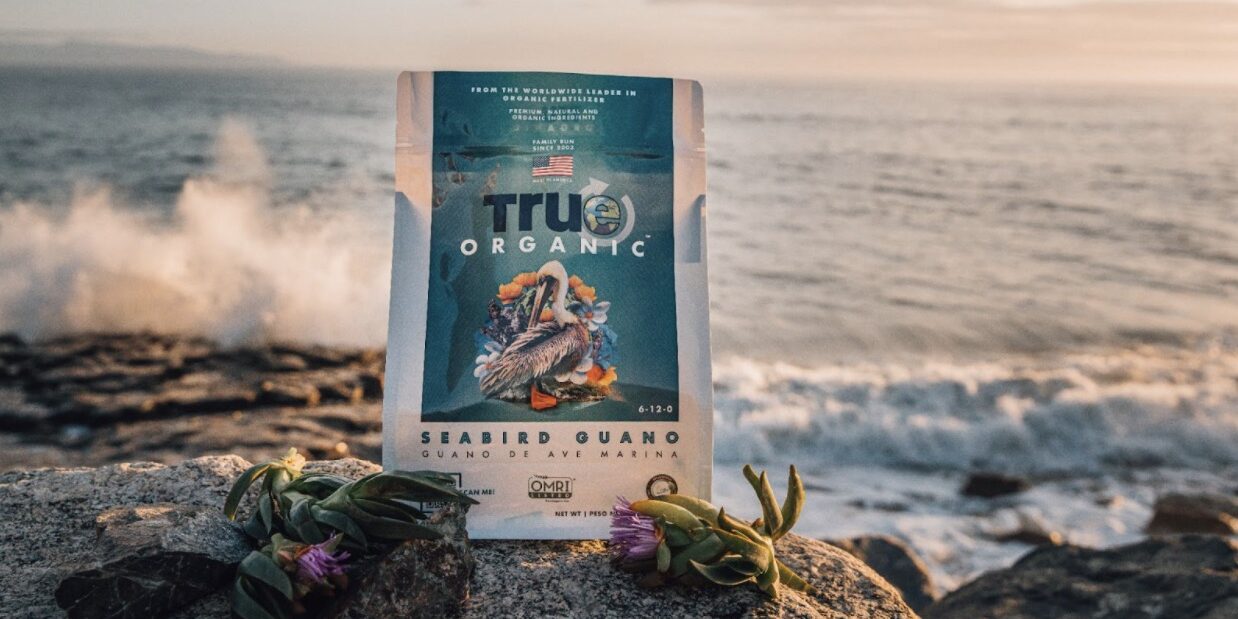
That’s why we’re so excited to chat with you about seabird guano! A completely natural substance with a truly amazing nutrient profile, seabird guano is arguably one of the most powerful plant fertilizers on the planet.
Even if you’ve never used guano before or aren’t even sure what it is, we’re going to cover everything you’re curious about.
What Is Guano?
Let’s cut to the chase. Is “guano” just another word for bird droppings? Technically, yes. But is seabird guano so much more? It sure is!
It has been used as a powerful soil supplement for centuries. In fact, the Spanish word guano developed from the word wanu in Quechua, a native language spoken mostly in the Peruvian Andes, but also in Ecuador, Chile, and other South American communities with Incan ancestry.
A Hero Helper For Plants & Soil
What makes seabird guano such a potent fertilizer?
It’s that 100% fish diet. Thanks to the birds’ fresh ocean buffet and the guano’s drying process (as it accumulates year after year, drying without being washed away by rain), seabird guano is a superhero for plants and soil.
Vigorous Growth & Soil Support
Altogether, the nutrient makeup of seabird guano encourages plants to grow rapidly and to develop robust flowers and foliage. That makes it perfect for leafy green vegetables, fruit trees, and any flowering plants.
Phosphorus (that “P” that you see on your fertilizer’s label) is especially important for fruit and flower development. Potassium (K) supports root systems and photosynthesis. Carbon (C) and nitrogen (N) are essential foods for the soil’s microorganisms.
Feeding the soil with these macronutrients and carbon stimulates microbial activity—helping all the microscopic soil inhabitants like bacteria and fungi thrive. Curious about what makes healthy soil? Check out our blog all about the living world inside your soil!
Another beneficial aspect of seabird guano is its combination of readily available and slow-release nutrients. Plants get the nutrition they need right away, and some nutrients become available to plants over the crop cycle. This makes seabird guano especially wonderful for abundant vegetable production.
Over the last several years, our seabird guano-based products have grown in popularity with our agricultural customers—large-scale organic farms that you know and trust. We’re excited to introduce home gardeners to an ingredient that the best organic farmers in the world are already using.

Food Safe & Family Friendly
If you’re feeling iffy about using guano in your home garden, we get it! Especially if you’re newer to using earth-based ingredients to feed and fertilize your garden, you might feel timid.
Rest assured, our seabird guano—like all our products—is rigorously tested for food safety so you can confidently use it to grow food for your family table.
All of our products go through treatment that eliminates harmful pathogens, while leaving the microorganisms that are beneficial to soil. Those beneficial microorganisms are thermophilic, which means they’re able to withstand the pasteurization process that kills off other microbes that you won’t want in your garden.
One of TRUE’s core values and points of pride is our dedication to food safety. In fact, we’re the first plant food manufacturer with a structured food safety system in place. True Organic™ is the only plant food available that is made with a food safety process that is ISO 22000 certified from Bureau Veritas (a world-class food safety management seal of approval).
Sustainably Harvested in Peru
This precious resource comes exclusively from a set of islands off the coast of Peru, where it is sustainably harvested and the seabirds are protected. On these rocky islands, happy seabirds roost, soak up the sun, and—yep—take bio breaks.
Their guano dries on the sun-bleached rock (called curing), where it’s harvested or “mined” by scraping and sifting. Because the guano is a finite resource in a delicate ecosystem, the Peruvian government helps keep an eye on the maintenance and harvesting.
“The Peruvians take a lot of pride in their seabird guano,” says True Organic™ Founder and CEO Jake Evan, who has seen first-hand how dedicated the Peruvian teams are to sustainably managing the guano process. “The priority is maintaining bird health and nesting grounds.”
Sadly, the history of seabird guano is a harsh one. Before manufactured fertilizers were commercially available, farmers world-round used a swath of natural ingredients to boost their fields’ growth—and seabird guano was one of the most highly coveted. Because of unsustainable practices through the 1800, the seabird population drastically declined, local people and resources were exploited, and wars were even fought over it. It wasn’t until the 1900s that the Peruvian government recognized how vital it was to protect the seabirds and their habitat.
Thankfully, Peruvian seabirds and their islands are now vigorously protected. An environmental team is dedicated to checking on birds to make sure they are thriving. Guano is harvested only when the birds aren’t there, so it’s not disruptive to the colony and never disturbs their nests. Only a certain amount of guano is taken every year, and the harvest rotates between multiple islands. You can see why it’s so valuable!
We can’t wait to see what you grow!
When we examine how seabird guano helps plants and soil, it’s a great reminder that nature provides all the ingredients for thriving soil, oceans, plants, and creatures. Just like when we use the word “manure” to designate something more than bovine excrement, guano is a complex, nutrient-rich substance that is much more than simply “waste.”
Here at True Organic™, our focus is that holistic vision of a thriving world, from helping you grow your own backyard garden to finding the most sustainable way to use nature’s resources. We can’t wait to see what you grow!
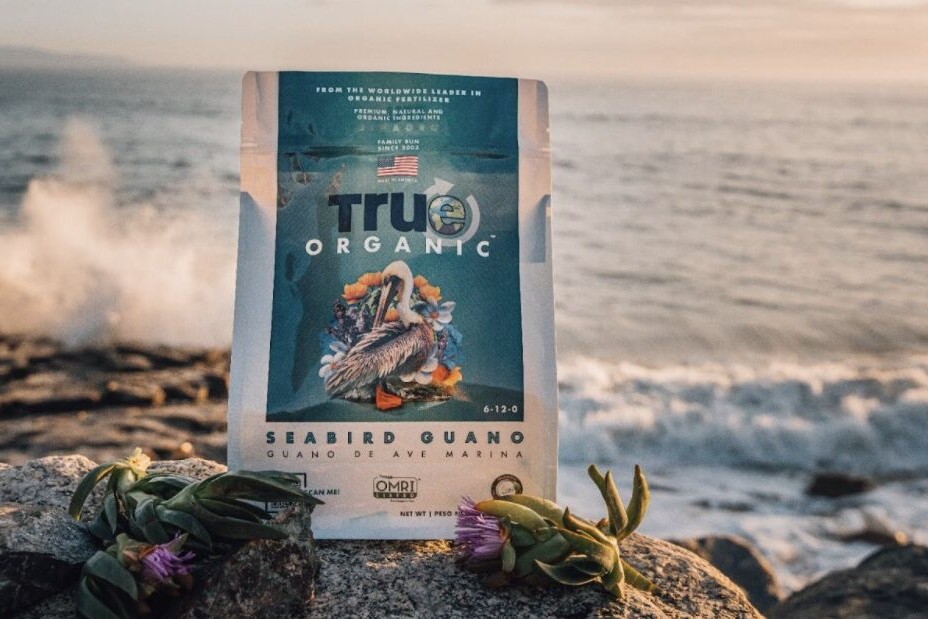
Find a bag of Seabird Guano at your local gardening store with our convenient store locator.
Show us your True Organic Plants
#GrowWithTrue
www.trueorganic.earth
Homegrown Summer BBQ Inspiration
MAY 28, 2021
admin
Nothing says summer quite like firing up the grill and crafting a delicious meal from your own garden.
Eating any meal outside is a delight—have you ever noticed that food somehow tastes better outside? After all, spending time outdoors has been shown to boost our mood, reduce stress, help us heal, and deliver all sorts of other benefits.
So it goes without saying that cooking and eating al fresco sounds like a whole lot of happiness to us!
Especially in recent times, as we all navigated how to safely spend quality time with our friends and family during the pandemic, many of us might feel that sharing meals outdoors is just more enjoyable and comfortable.
From Garden to Grill
Grilling vegetables (and fruits!) is a spectacular way to really get to know your harvest in all its pure goodness. Cooking over fire adds a layer of complexity to your meals that pairs perfectly with the purity of flavor-bursting vegetables, fruits, herbs, and even flowers.
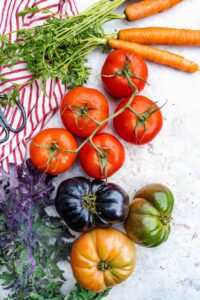 Let’s look at a few summer barbeque rockstars—and a few unexpected contenders for “most grillable.”
Tomatoes
Ahh, the ultimate summer garden veggie! Ripe, bright tomatoes hanging from green vines are a signal that summer has really arrived.
One of the best things about growing tomatoes is that there are so many varieties. Big, slice-able tomatoes are perfect for topping burgers or whole-roasting, while little cherry and grape tomatoes add color and flavor to salads and kabobs.
Try making green tomatoes (which aren’t just unripe red ones, although those can be eaten, too) the star of your next BBQ meal. Famous for their deep-fried version, green tomatoes are incredible—and much more healthy—grilled! Check out this mouthwatering Grilled Green Tomato & Burrata Salad from our friends at Earthbound Farm.
Zucchini
Move over, burgers. Zucchini may just become the crown jewel of your summer grill-fest.
Don’t discount the mouthwatering potential of a “simple” grilled zucchini entreé, like this recipe from Delish.com.
If you’ve ever grown zucchini in your garden, you know that their yield can seem endless. A healthy zucchini plant is so bountiful that sometimes gardeners end up giving away bushels of extra squash. Our suggestion for surplus zukes: grill ‘em up!
There are quite a few varieties of summer squash, and while many of them will do just fine on the grill, trusty “regular” green or yellow zucchini will be the most tender and versatile for grilling.
Harvest them when they’re not too big—five or six inches will do. While it can feel gratifying to grow enormous zucchini, they’ll only get more seedy, tough, and less sweet as they bulk up.
Squash Blossoms
Your zucchini squash plants will also give you a bonus menu item: blossoms!
Squash blossoms are incredibly versatile. Try them raw on salads or pasta, flash-grilled, tossed in oil, stuffed with cheese or tapenade, or deep fried.
But wait—don’t those flowers need to grow into squash? Not all of them! These plants have bothmale and female blossoms. Female blossoms bear the fruit and produce those yummy squash; male blossoms are only needed to pollinate the female blossoms.
Male squash blossoms grow on taller, straight stems and are a bit more visually stunning. Those are the ones you want to harvest! Female blossoms sprout from what looks like (and will hopefully become) a tiny zucchini. Let those remain on the plant. Bees will help pollinate them and grow your harvest!
Fruit
There is a downright cornucopia of fruits that are perfect for the grill.
Depending on where you live, you might have easy access to fruit trees and bushes. If not, there’s a whole world of grillable plants you can grow in your garden, especially in those raised beds.
Figs: A simple slice and one or two minutes over the fire will caramelize these gems into delicacies. Add a little feta cheese, fresh basil, and toss in a spritz of balsamic vinegar, and you’ve got yourself a side dish that will wow all your friends.
Persimmons: While persimmons are more of a Fall fruit, we couldn’t exclude them from the BBQ because they are just so delicious when grilled.
Peaches: Mmmm…just thinking about a carmelized, gooey, sugary-scented grilled peach is enough to make anyone go out and grab a bag of these sweet treats from the farmer’s market!
Melons: Watermelon, cantaloupe, and honeydew melon are fun to grow and amazing on the grill!
Lemons: Now we’re getting creative! Lemons are an exceptional BBQ companion—almost everything cooked over fire tastes yummy with the addition of a little lemon juice or a sprinkle of lemon zest.

Safe Harvest & Storage
Just like any food that’s going right from your garden to your table, keeping your barbeque ingredients safe and clean shouldn’t just be an afterthought. Luckily, food safety is simple when you create habits that are easy to remember.
When harvesting, be sure to clean your tools between plants to help prevent cross-contamination if any plant is carrying fungus, bugs, or other microorganisms that could make humans or other plants sick. Always wash produce before cooking and eating.
Use a different container for storage, or thoroughly clean and dry your harvesting container before you store raw veggies and fruit in the fridge or cellar. Keep picked produce in a cool, dark, dry place.
Since the grill is a place where you might be cooking both meat and veggies. That makes it extra important to clean your cooking utensils, plates, marinating bowls, and the grill itself between dishes.
Go organic. Growing organically gives you confidence that everything grown in your garden is safe for your grill, picnic basket, and kitchen table. Since we’ve been in business, that’s a value that TRUE has been committed to: keeping you and your family safe and healthy, while nourishing the earth’s soil.
Happy grilling!

Show us your True Organic Plants
#GrowWithTrue
www.trueorganic.earth
Creating Your Edible Landscape
MAY 15, 2021
admin
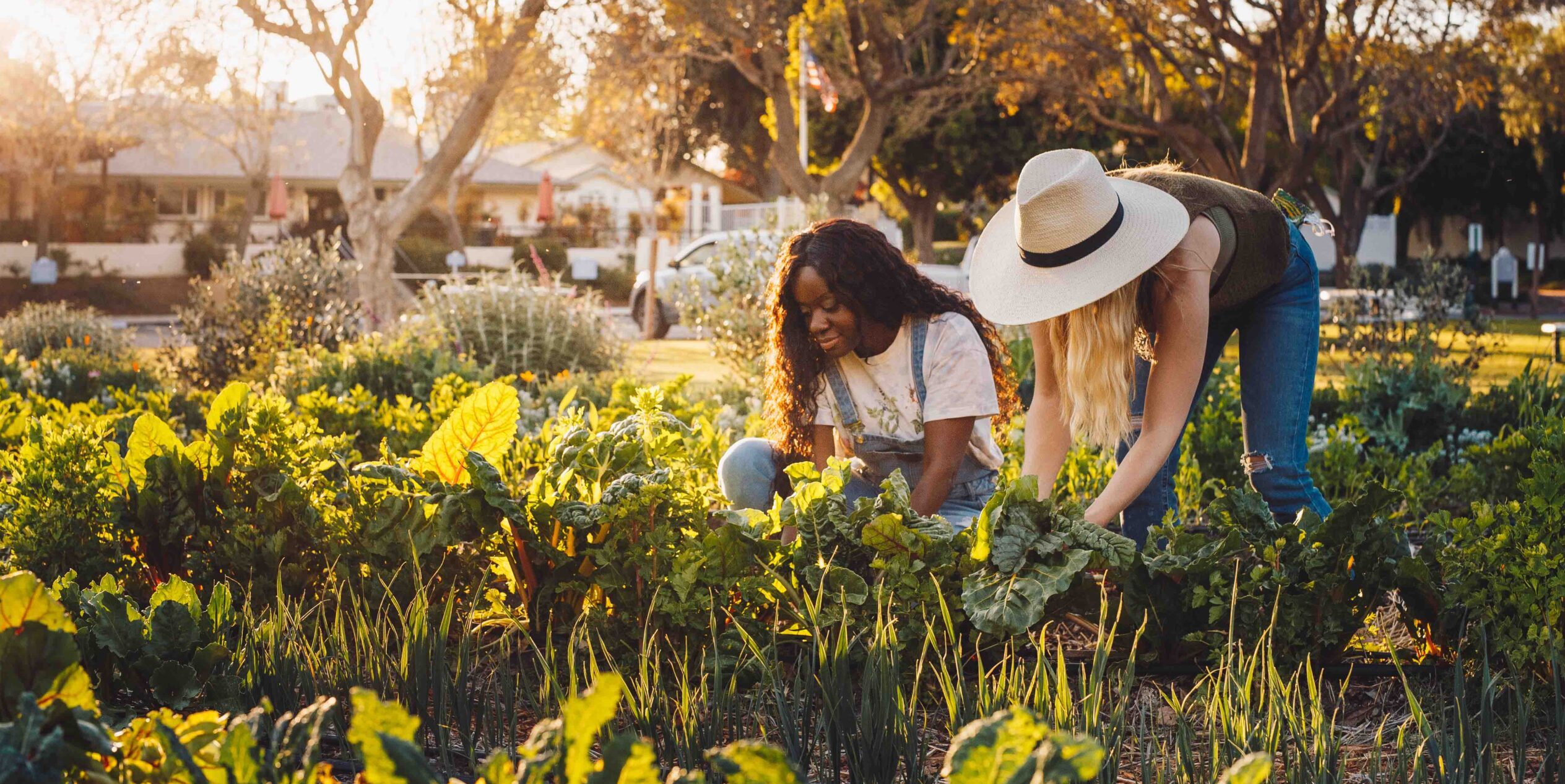
Some gardens are simply utilitarian, some are there to look lovely. How about an edible landscape that fills your senses and your table?
Beautiful and tasty!
Just because you’re increasing the functionality of your garden doesn’t mean you have to give up on aesthetics! In fact, some of these crops make a garden more colorful, textured, and lovely to look at.
Whether it’s your entire front yard, or just a corner of shared space, an edible landscape can transform any place into an outdoor oasis. Gardening for aesthetics and functionality can help us remember what’s most precious about nature: its ability to bring joy and sustenance into our lives.
What’s on the menu?
Now let’s check out what to plant in this oh-so-lovely garden of yours!
As always, be sure to research what kind of plants work for your climate zone and how much maintenance each kind of crop needs. Your personal selections will be unique and special to your location, your taste, and how much you’re willing to work in your edible landscape.
Herbs galore!
Herbs are quintessential edible landscape plants. Their textured leaves, easy maintenance, and attention-grabbing fragrances add so much life to your green oasis, and who doesn’t love having fresh herbs and flowers in your kitchen?
Choose hardier, perennial herbs for your edible landscape (be wary of basil and other delicate herbs in a landscaping situation—basil typically does better in a dedicated veggie garden and is a great companion plant). Bushy, shrubby herbs like rosemary, thyme, lavender, oregano, and sage are perfect and easy to integrate in most zones.
Lavender is the ultimate easy-care landscaping herb. Its gorgeous purple flowers and lovely scent make any garden or yard a more enjoyable, oasis-like spot. You can use both the leaves and flowers in baked goods like scones and cookies, steep it in a tea (perhaps with some mint), or simmer it in water for a sweet-smelling house.
Because they can grow quite large and they’re easy to shape and maintain, shrubby herbs work well along the landscaping border, or to create shape for your garden.
Another bonus: bees love flowering herbs! Support your local pollinators and cook deliciously seasoned food.
 Onions, Garlic, Chives
 Onions, Garlic, Chives
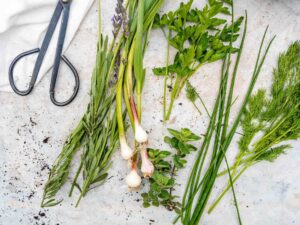
Add some flavor to your meals and your garden with this zesty plant family. These easy-to-grow plants have unique blooms and bright stalks that make an edible landscape pop with life.
Garlic is an edible landscape superhero: you can harvest it twice, once for the stems (or scapes) and once for the bulb! Garlic scapes—the plant’s adorable green stem and flower bud—can be trimmed off in early spring, as they start to curl in. Leave the bulb in the ground until later in the summer, when it’s ripe with flavor.
Bonus: Hungry outdoor critters don’t really like to chew on these stinky greens.
Berries
Strawberries are a perfect edible landscape resident, with their small size and bright berries and adorable white flowers. They can be grown in containers, if you want to give your edible landscape a little extra style.
For larger yards, blueberry bushes are a beautiful and delicious addition.
For really big landscapes, blackberries and raspberries are for the more adventurous. Brambles like these two berry plants can quickly grow out of control, though, so be sure you’re ready to commit to a regimen of thorny pruning before you go all-out on the berry front.
Edible Flowers
 First order of business: not all flowers are edible. Be wise and aware of what you’re putting in your mouth. If you have pollen allergies, too, eating flowers can be a bit problematic. But the wonderful fact is that edible flowers still look beautiful in the garden, even if you don’t end up eating them.
Try begonia (can taste a bit bitter), calendula, nasturtium (beautiful on salads!), borage, and violet petals (really great for decorating baked goods). A little goes a long way with these edible beauties.
Just like in your vegetable garden, choosing organic fertilizer to nourish your landscape is essential. It’s especially important when it comes to any edible plant that will end up on your table, like those flower petals that could end up on your friend’s next birthday cake. We’ve got you covered with our TRUE Liquid Bloom Boost, a safe, effective flower food that nourishes both plant and soil.
As your flowers blossom, be sure to appreciate the fluttering pollinators that you’ve invited into your landscape. You’re doing great work supporting biodiversity, as well!
What about veggies?
Vegetables can be a bit trickier to incorporate into an edible yard or landscape. Reserve your prized veggies for a spot where you can nurture them with precision when it comes to spacing, soil maintenance, and specific tending.
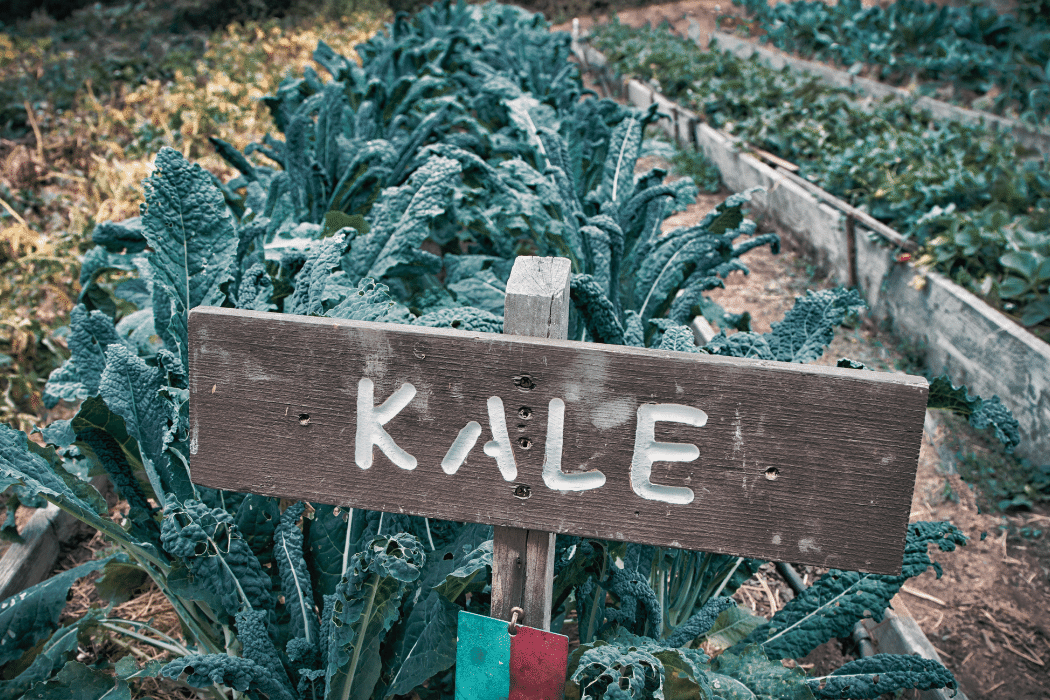
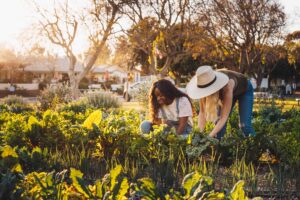 But some hardy veggies can do well in an edible landscape, and look fantastic, too. Big-leafed greens like kale and chard are ideal for the job.
And leafy greens are sooo good for you!
Try curly kale, purple-tinted Redbor kale, Red Russian kale, and vibrant rainbow chard for spots of color and texture in the garden.
Design tips
Let your dreams blossom! Get creative when you design your edible landscape. Needs some inspiration? Take a stroll through our Edible Landscape Ideas Pinterest board and see what strikes your fancy. Spark your full range of gardening creativity with our entire Pinterest board collection!
Unlike a veggie garden or raised bed garden your edible landscape can be any shape or style you like. Maybe you have a patch of side-yard that gets perfect light, or a front lawn that you’re ready to turn into something more sustainable. You don’t even need to plant in rows! Time to garden outside the box.
Pathways
Designing a central path made of rocks, brick, or packed dirt gives your garden space structure and flow. That can be as simple as leaving space between plant groupings or as fancy as laying down stepping stones to create a clear path.
Remember, you’ll want to get in there and harvest your edible landscape! Make sure to leave space for walking, kneeling, gathering, and pruning.
Stone borders
Placing larger-sized stones at the edge of plant groupings helps your landscape feel neat and tidy, and can help prevent weeds from taking the place over.
Map it out
Planning before planting: it’s the responsibility of any gardener. It’s especially important if your mission is to create an attractive, edible yard!
Measure your space, then get crafty with paper and pencil. Think about which plants will look nice next to each other, who needs more space, and who needs to be in the spotlight (aka full sun!). Where can you use rocks, pottery, maybe even a cute little bench?
Having a plan will help you get the most out of your edible landscape.
Mix it up
Texture, color, scent, size. Create a diverse cornucopia of all these characteristics and your landscaping creation will be a treat for the eyes…and nose.
Choose a few plants with flowers, some with spiny leaves, some fluffy ones. Short ones, tall ones, twirly, swirly, and everything in between!
Beauty in sustainability
Even the simplest additions to a yard, lawn, or landscape can create magic: a curly kale or two. Some fresh-scented herbs to sprinkle on your summer salads. Flowers that are just as scrumptious as they are beautiful. Even if you aren’t creating a fully designed edible garden space, sprinkling in edibles in any landscape can spark delight!
When you admire the pollinators fluttering around your yard, inhale the fragrance of a diverse landscape, and watch buds bloom, you’ll really feel how connected you are to the land we live on—and the land that feeds us.

Show us your True Organic Plants
#GrowWithTrue
www.trueorganic.earth
Springtime Tips For Indoor Plant Parents
May 11, 2021
admin
Curious about how to best care for your indoor plants this Spring?
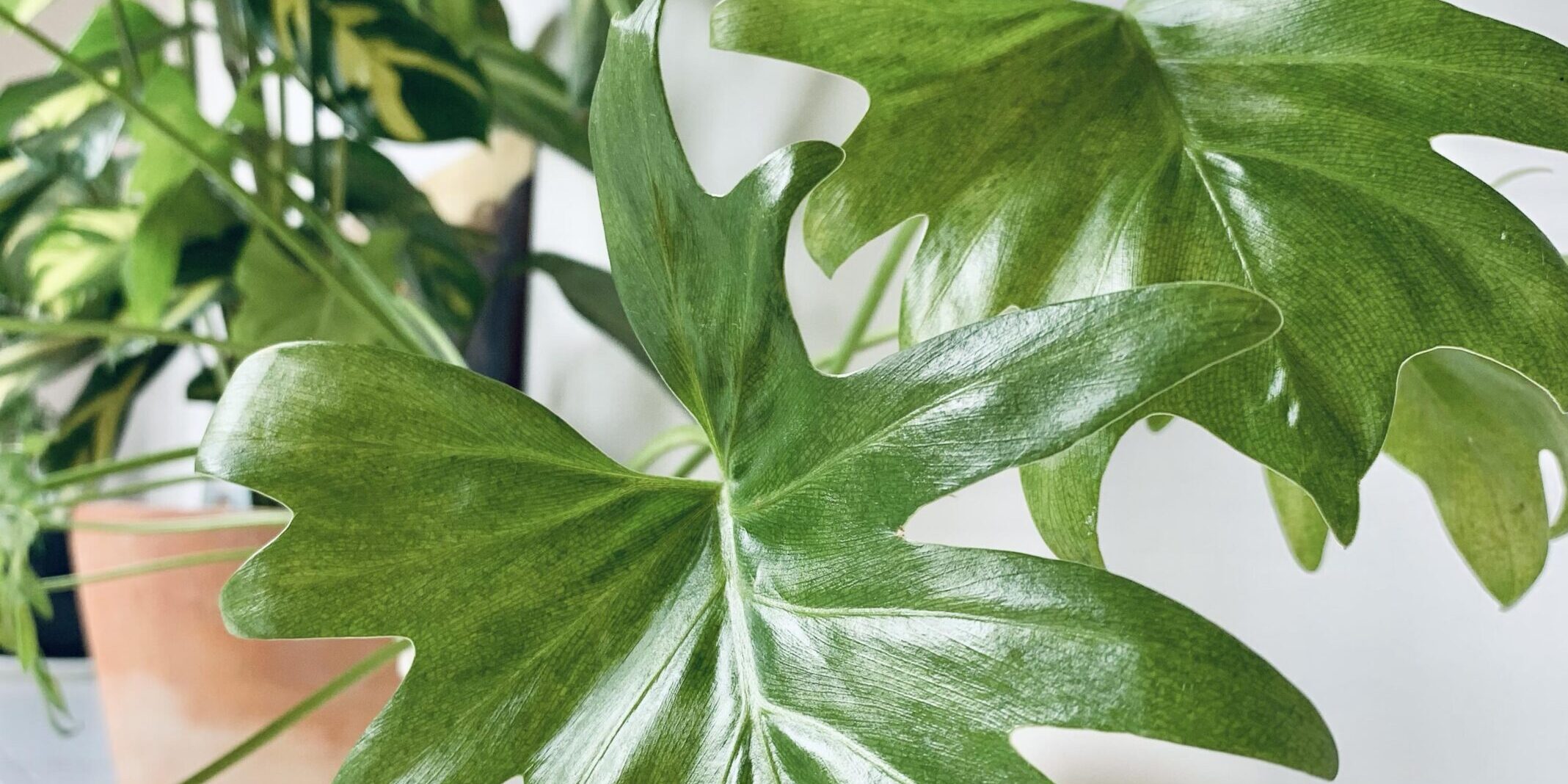
This is the time of year that you’ll want to give them more water, care, and nutrients to reach their full jungle-home potential. Their internal clocks are set to spring into action, so after a slow-growing winter, this is the time that our plant friends amp up their growing potential.
Are you ready for springtime as a plant parent? Here’s a list of things you can do to prepare:
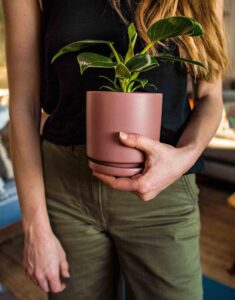
1. Fertilize
Spring is the best time to start fertilizing your plants again. This is when they wake up from their wintery slumber and begin a new season of growth.
It’s important to fertilize your container plants because, unlike plants growing in the ground, house plants are confined to their pots. They can’t stretch their roots to find nutrients around them from rainfall and other natural factors, so you need to be sure to provide what your plants need with a feeding regime.
Depending on your climate and latitude, you’ll probably want to start fertilizing your houseplants around the end of March. If you do start feeding before the prime growing season (when you can see new springtime growth) only add half the recommended amount of fertilizer. After a plant works its way through all the nutrients in its original pot of soil, it needs your help to get more.
As they begin to grow faster, you can fertilize every two or three weeks, depending on the type of plant and how fast they’re growing (and following the instructions on the label).
Using organic fertilizer ensures that your plants are only getting the safest, most ecosystem-supporting supplements, and using an organic plant food will actually help build up essential soil micronutrients, too.
2. Spring Cleaning
Spring cleaning isn’t just for those grimy corners behind the fridge. Houseplants love a good tidying-up, too! Cleaning, dusting, and freshening your plants doesn’t just make them look more lovely, it also helps prevent disease and pests, and allows them to photosynthesize to their full potential. Turn up some tunes and use these tips to give you green friends a spring spruce-up:
- Pick up any dead leaves and blooms from the soil, where they might begin rotting and attract gnats and mold.
- For some plants, you can mist leaves with water and wipe gently with a dust cloth. Some plants don’t like this—like cacti, succulents, and other moisture-sensitive friends—so be sure to research your plant’s needs.
- Gently sweep away textured leaves with a paintbrush or soft toothbrush.
- Spray cacti and other intricate plants with compressed air to clear dust.
- Shower hardy plants in a sink or bathtub. Be sure to let them drain completely!

3. Give ‘Em a Trim
Spring is an excellent time for a haircut. Not just for you—plant friends need trims, too! Pruning plants helps them use their growing energy better and makes room for new growth.
Start by carefully checking out your plant’s leaves and stems. Are there any that are yellowed, brown, very floppy, or crunchy? Gently and lovingly clip those off where they meet stems.
Use a sharp cutting utensil like pruning shears (or more delicate garden scissors for smaller plants), not craft scissors, which can do more damage than good. And make sure to clean those tools between using on each plant, so as not to spread fungus or pests!
4. Know Your Plants’ Needs
Different varieties of houseplants will need an array of light conditions, watering schedules, and fertilizing frequency. Most of you savvy plant parents know this by now!
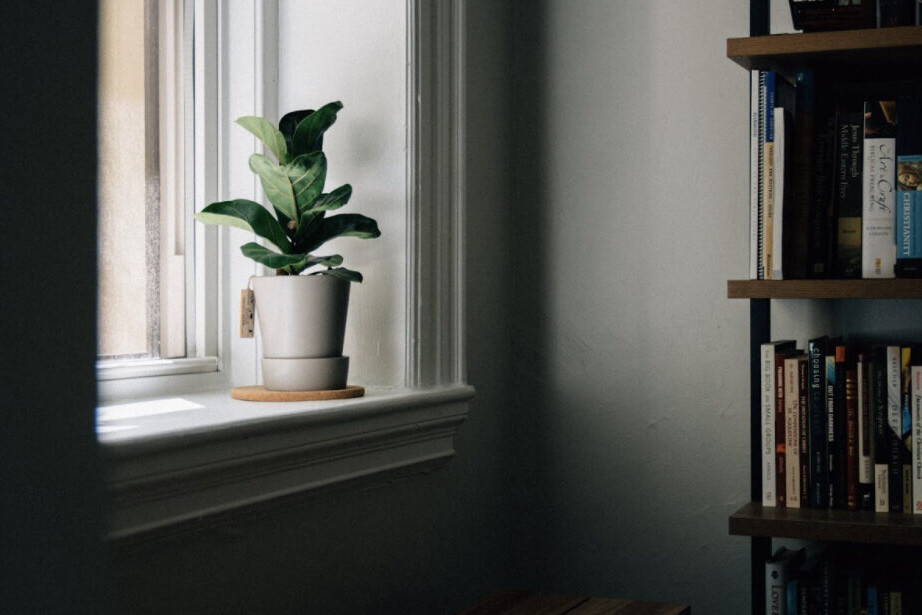
It doesn’t have to be too complex, but make sure you look into the type of care your plants need. Just like some plants need more or less sunlight, some need unique types of fertilizer (especially flowering plants with big blooms). Some are super sensitive to heat and direct sunlight, so they may be glad to relocate to a bookshelf rather than the windowsill for the sunny months. They may drop a few leaves as they acclimate to their new location, so don’t fret if you see your plants going through a little transition upon relocation!
Each of your plants has its own special, funky personality! That’s what makes keeping a house full of plants so delightful.
Just like you, spring infuses your plants with a burst of energy. You might be breaking out the sunglasses and planning hikes, and your plants enjoy the changing weather, too. Make sure you’re ready to give them their best life by getting them springtime ready.
Spring has sprung and your houseplants are ready for their close-ups!

Show us your True Organic Plants
#GrowWithTrue
www.trueorganic.earth
The Living World Within Soil
June 25, 2021
admin
Why is it so important to nourish your garden with organic ingredients? It’s all about the life within our soil.
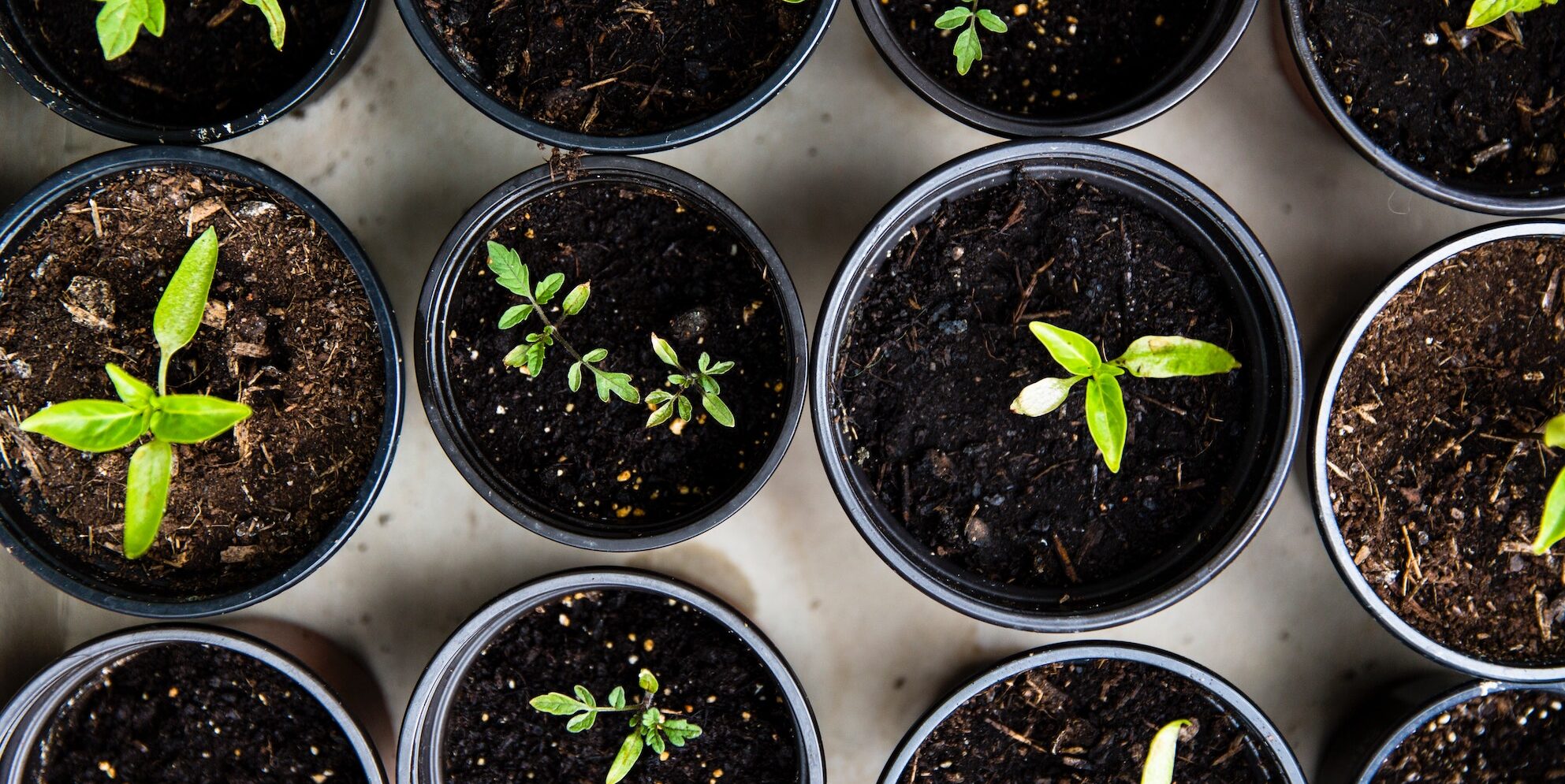
Soil is virtually seething with life. There are more microorganisms in a teaspoon of soil than there are people on the entire planet. And these tiny life forms are more essential for a healthy Earth than you might think!
As long as these microorganisms have food and good living conditions, they’ll thrive in massive numbers. So what do they eat, and why are they there? Let’s dig in (couldn’t resist) and see what’s beneath the surface.
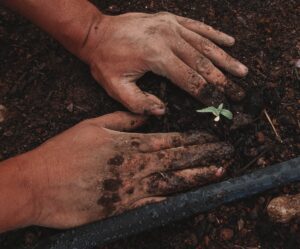
Soil is alive!
What is soil? The short answer: soil is unconsolidated material on the surface of the earth, about the top six or eight inches, that serves as a natural medium for plant growth. But that’s just the beginning.
Bacteria, fungus, protozoa, and nematodes live in soil by the *millions.* And that’s just the microscopic life forms. Earthworms, algae, arthropods, and other tiny plant-like forms and bug-life beings live in healthy soil. Soil is like a thriving world of life in itself, and the organisms that live in soil are also essential to nutrient cycles and are a keystone to all of life on the plant.
Soil is a combination of inorganic things (sand, silt, rock, minerals, and gases) plus organic matter (carbon-based material like dead plants, microorganisms, animal remains etc.). The organic matter is the alivepart. Millions of microorganisms live, eat, breathe, and reproduce in just a handful of soil. It’s also packed with a whole buffet of minerals and other nutrients. Worms and grubs spend their entire lifetimes crawling through soil, breaking down clumps of organic matter, keeping away bad microorganisms, and aerating the material.
Soil is a staple part of our planet’s balanced ecosystem, along with water and air, playing an essential part of life’s ability to survive here on Earth.
Think of soil’s microbiome like your own human body’s natural microbiome (like the helpful bacteria in your gut and on your skin), which is essential to your overall health and wellbeing. If something’s off in your digestive tract’s microbiology, the health of your whole living body is at risk.
That’s why restoring and maintaining a healthy microbiome for the planet’s soil is so vital—and why we’re so passionate about it.
Soil Superheros
What are some of the most important inhabitants of the world of soil?
Bacteria
There are anywhere from 100 million to one *billion* bacteria in a single teaspoon of healthy soil! As they munch on organic waste like dead plant material, these bacteria are the main drivers of decomposition, which releases nutrients for other organisms to use.
Fungi
Way more than just mushrooms, fungi are incredible lifeforms. Scientists continue to uncover ways that fungi are essential to life on Earth—in ways that we don’t even fully understand yet! In soil, fungi can break down nutrients, helping with decomposition. Some fungi attach themselves to plant roots to help them receive nutrients and grow.
Algae
Algae are sometimes overlooked soil residents. They’re much fewer in number than other soil organisms. Technically in the plant kingdom but not quite plants, algae add organic matter to soil (carbon material) when they die, and can help with soil structure, aeration, water retention, preventing erosion, and much more.
Earthworms
By far soil’s cutest (and biggest) inhabitant, earthworms do so much for soil health. They’re one of many kinds of bugs that live in soil, and there are thousands of different species of earthworms!
As worms slither around the earth, eating and producing castings (aka: worm poop), they drastically improve alter soil structure, proper moisture, support nutrient availability, and make space for plants roots to grow. Worm castings are incredibly enhancing for soil health!
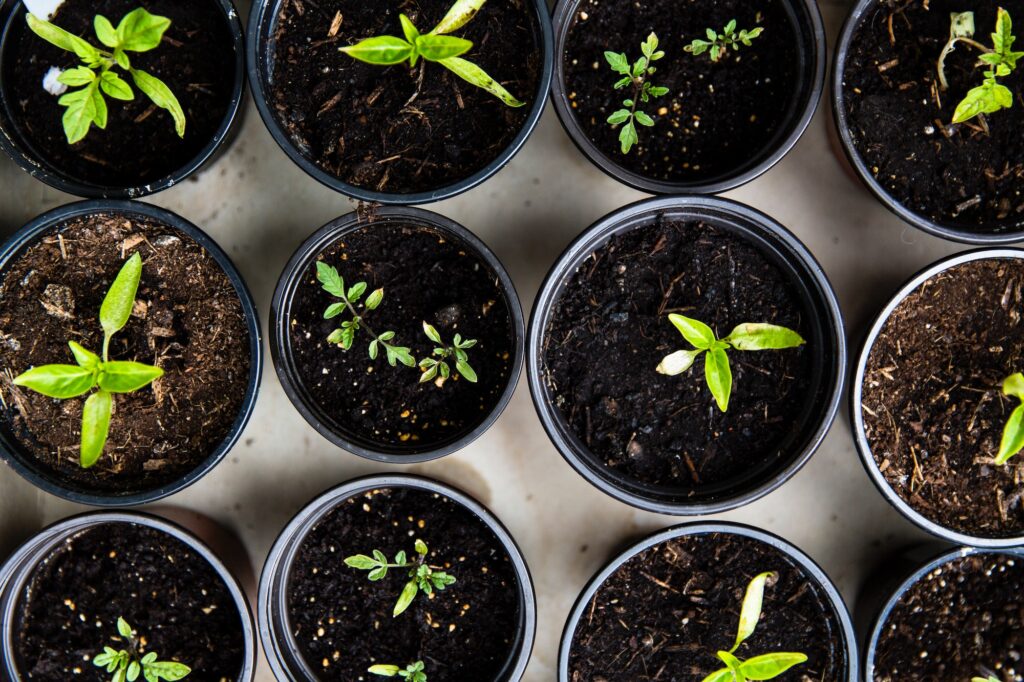
Restoring the Soil, Reviving the Earth
As a natural layer of organic and mineral material, soil is perfect for plant life in just the way it is.
Unfortunately, in lots of places in the world, soil has been depleted of its natural structure and balance of microorganisms and nutrients— which threatens overall sustainability, biological fertility, and the health of every living thing on Earth (including humans).
The good news is that soil can be rebuilt and restored over time, even in your own backyard. It might just need a nutrient boost and some loving cultivation to be its best plant-nurturing self again. (That’s where fertilizers and soil amendments come in.)
Restoring soil’s natural abundance and vitality starts with attention to what we’re putting into the earth, including soil amendments, fertilizers, pesticides, irrigation and sewer systems, the fuels we burn, and anything else that will end up in our planet’s air, water, or soil.
Well-structured soil contributes to the biological wellness of forests, fields, and farms. How are you going to support the soil today?

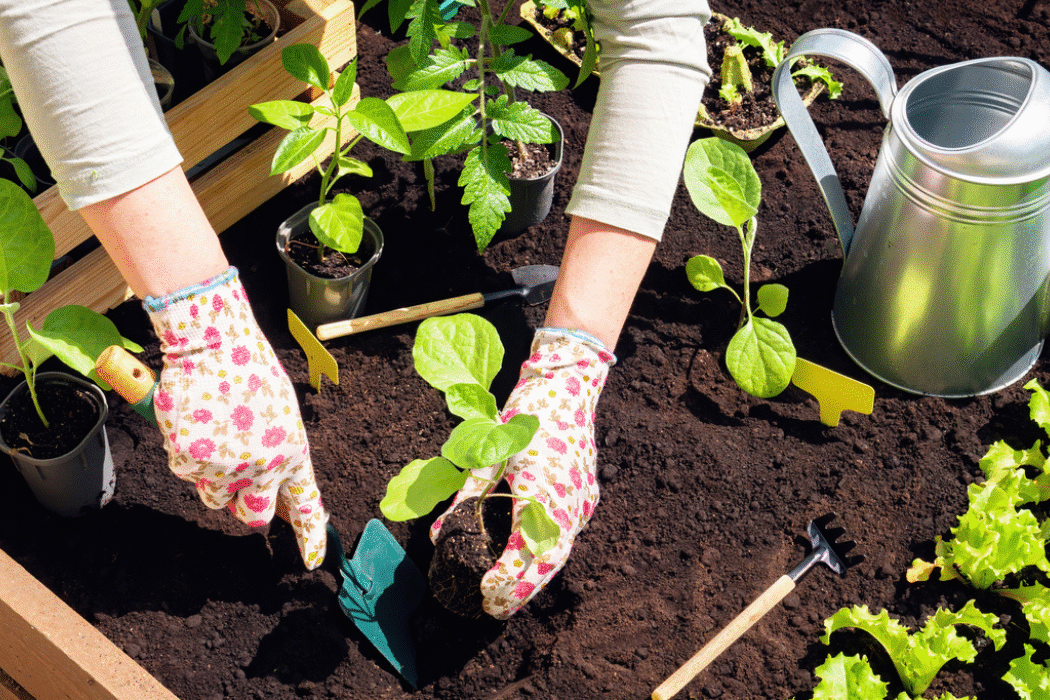
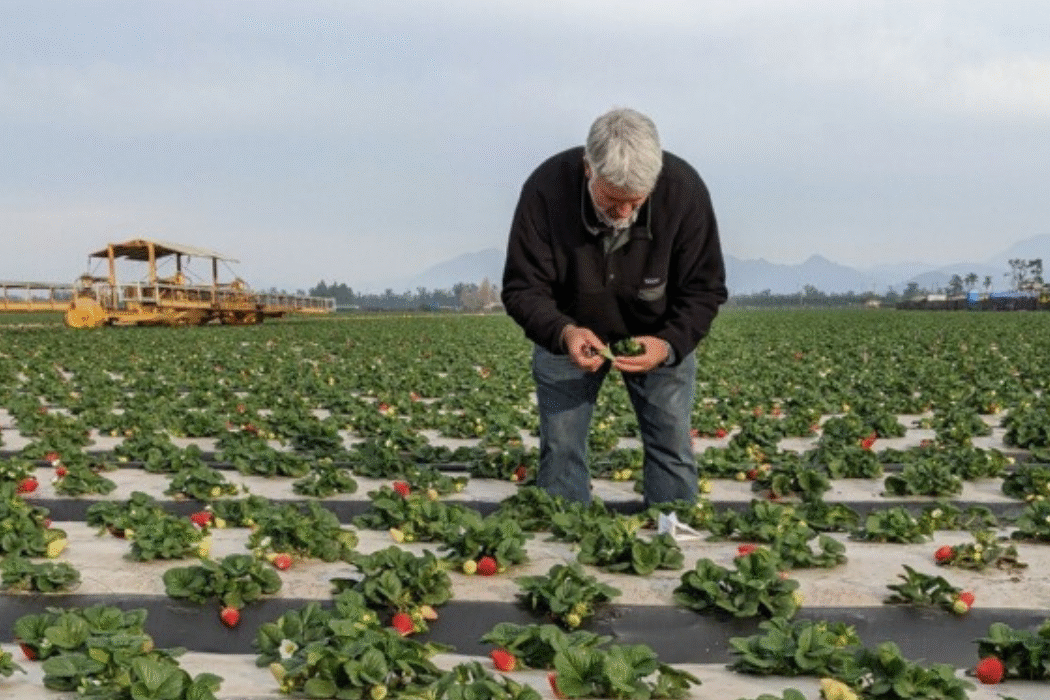
Show us your True Organic Plants
#GrowWithTrue
www.trueorganic.earth