
April 20, 2025
How to Feed Your Tomatoes and Veggies for a Bountiful Harvest
The Organic Difference: How to Feed Your Tomatoes and Veggies for a Bountiful Harvest

If you’re dreaming of big, juicy tomatoes and a garden brimming with vibrant veggies this season, it all starts with how you nourish your plants. Sunlight and water are essential—but the real secret lies in the soil. That’s where a high-quality organic tomato and vegetable fertilizer comes in.
Feeding your garden with organic nutrients not only fuels healthy growth, but also strengthens root systems, enriches the soil for seasons to come, and helps produce more flavorful, nutrient-packed harvests.
Why Choose Organic Tomato & Vegetable Fertilizer?
Tomatoes and other garden veggies are heavy feeders—they need a steady supply of nitrogen, phosphorus, potassium, and essential micronutrients throughout the growing season. But not all fertilizers are created equal.
Organic tomato and vegetable fertilizers are made from natural ingredients like feather meal, fish bone meal, composted poultry manure, and kelp. These release nutrients slowly and consistently, helping plants grow vigorously without burning roots or damaging the soil.
Benefits of Organic Fertilizer:
- Improves soil structure and microbial life
- Reduces the risk of overfeeding or nutrient runoff
- Feeds plants gradually for consistent growth
- Produces more flavorful, nutrient-dense vegetables
- Safe for kids, pets, pollinators, and the planet
How Often to Fertilize Tomatoes

Tomatoes thrive with regular feedings throughout the season—especially when grown in containers or raised beds.
Tomato Feeding Schedule:
- At Planting: Mix a granular organic tomato fertilizer into the soil when transplanting.
- Early Growth (2–3 weeks after planting): Begin applying liquid organic fertilizer every 1–2 weeks.
- Flowering & Fruit Set: Continue feeding every 1–2 weeks.
- Mid-Season Boost: Add a side-dressing of granular organic vegetable fertilizer around the base of the plant and water in well.
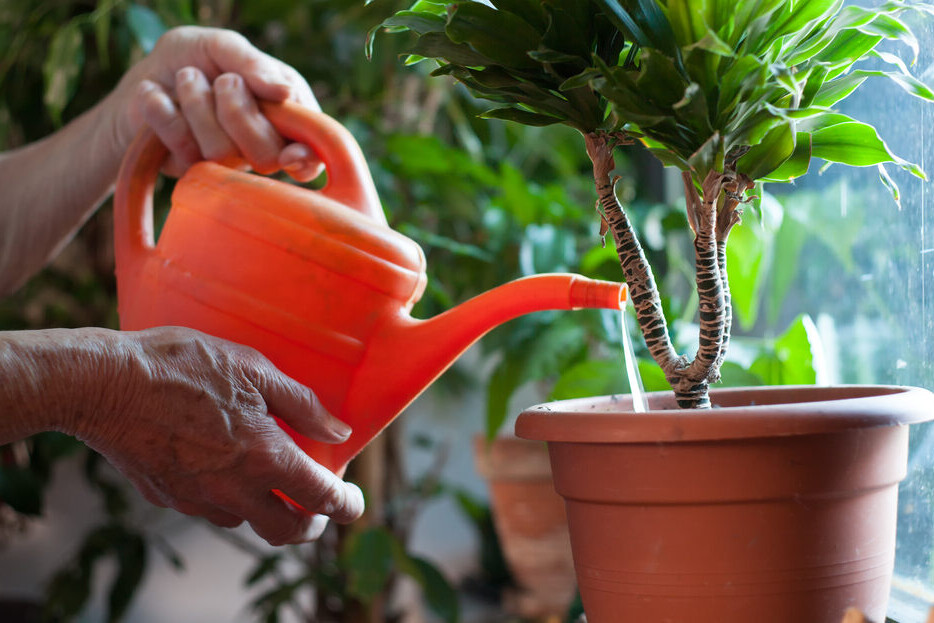
🌱 Tip: Always water your tomatoes before and after applying fertilizer to avoid root burn and help nutrients absorb more efficiently.
How to Fertilize Other Garden Vegetables
The good news? Your tomatoes aren’t the only ones that benefit from great feeding habits. Peppers, cucumbers, zucchini, beans, and leafy greens all love organic nutrition too.
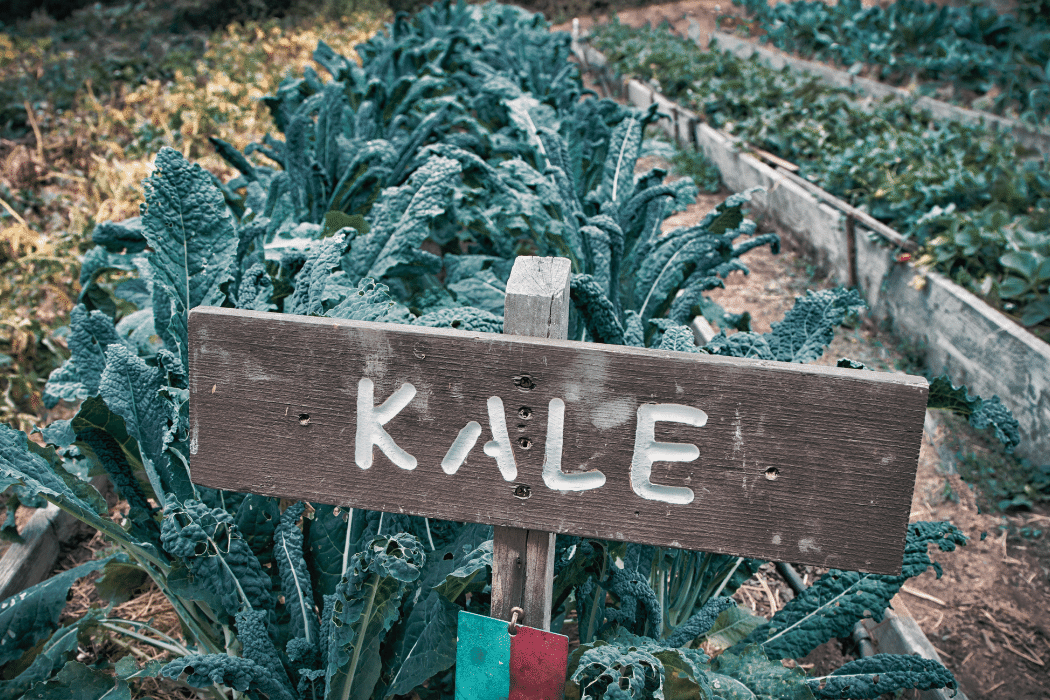
- Leafy greens (like kale and spinach): Feed every 2–3 weeks with a nitrogen-rich blend.
- Fruiting veggies (like squash and peppers): Use a balanced organic vegetable fertilizer at planting, then feed every 2–4 weeks.
- Root crops (like carrots and beets): Go lighter on nitrogen—use a fertilizer that supports root development.
The Bottom Line: Organic Makes a Difference
Feeding your garden with organic tomato and vegetable fertilizer is one of the simplest and most impactful changes you can make this season. Not only do your plants grow stronger and produce better fruit, but you’re also building up the health of your soil for seasons to come.
Recommended: True Organic Tomato & Vegetable Food
Made with a proprietary blend of organic ingredients and designed specifically for fruiting vegetables, True Organic Tomato & Vegetable Food delivers the nutrients your plants crave—naturally. Use it throughout the season for vigorous growth, brighter blooms, and tastier harvests.
👉 Explore our Organic Tomato & Vegetable Fertilizer or our Organic Liquid Tomato & Vegetable Fertilizer

Show us your True Organic Plants
#GrowWithTrue

www.trueorganic.earth